
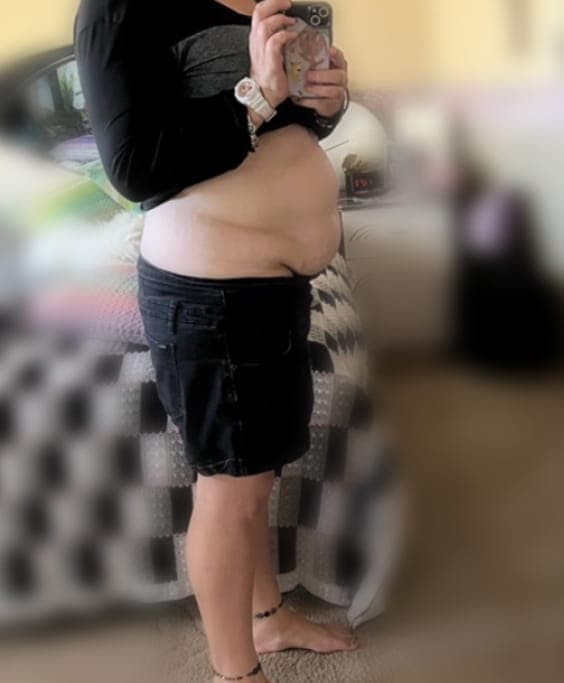

Angela, 37WA
Program typeWeight loss medication
Weight Lost10kg
Results shown5 weeks
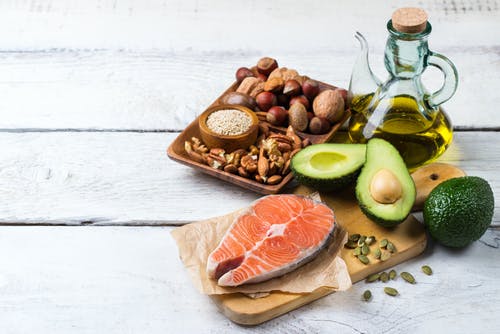
'Good fat' refers to the types of healthy fats that are considered beneficial for overall health when consumed in moderation. These fats provide essential nutrients for your body as well as fatty acids, contribute to various bodily functions, and can help support heart health [1]. In fact, fats are an important part of a healthy diet, providing energy and supporting cell growth.
Health departments recommend including monounsaturated fat and polyunsaturated fat (including omega-3 fatty acids and omega-6 fatty acid) as part of healthy eating to replace saturated fats and unhealthy fats [2].
To know more about different types of fat content, seek advice from a healthcare professional who can provide you guidance on your specific situation. It's important to understand which fats raise your blood cholesterol level and which can help lower your risk of heart disease. For example, saturated fats include fats that are often solid at room temperature and are commonly found in high fat foods and processed food[3]. These are considered bad fats, while food that contains fatty fish, for example, are a good source of omega-3 fatty acids and considered heart healthy.
Losing weight can be daunting, especially when you think of the different kinds of food you have to avoid. It’s typically recommended to cut down on all the unhealthy food and drinks – cakes, fast foods, and alcoholic drinks - which often contain trans fatty acid. Trans fat increases cholesterol in blood and it can be harmful to your health.
At Mosh, we believe in educating our clients on the importance of good fats in a weight loss journey. Our team of AHPRA-registered practitioners is here to help you understand the role of good fats in weight loss and overall health. They will talk to you about your specific health worries and advise you on facts that will help you reach your weight loss goals. If deemed necessary for your specific situation, they may recommend weight loss treatments, over-the-counter medications, or coaching solutions.
With so many things to avoid, it's a common misconception that all fat is unhealthy. However, fats may help you stay healthy and eating more healthy fats and limiting unhealthy fats could make a big difference to your overall health. In fact, some fats are good for you and essential to a healthy diet. If you’re wondering what is good fat, let Mosh be your guide in understanding the importance of good fats and how they can benefit you on your weight loss journey.

Dietary fat plays a key role in managing your overall health, including helping to reduce the risk of type 2 diabetes when you choose the right type of fats [4]. Choosing low in saturated fats options, and food low in unsaturated fat such as monounsaturated fat and polyunsaturated fat can improve your health outcomes.
Understanding the fat in your diet and limiting unhealthy fats is essential. Some fats in the diet come from natural sources, while others come from food and takeaway that are highly processed and loaded with 'bad fat'.
In general, the types of fat you should avoid consuming excessive amounts of are saturated and trans fats.[5] In addition to contributing to weight gain, both of these fats contribute to an increased risk of cardiovascular diseases and increased LDL blood cholesterol levels.
The Australian dietary guidelines recommend that saturated fats and trans fats should make up no more than 10% of daily energy intake.[6] It may seem difficult when you realise that saturated fats and trans fats are usually present in high concentrations in the following:
Even though it might seem impossible to give up all the foods we like, we don’t have to eliminate them completely. Like most things, foods that contain high in saturated fat should be eaten in moderation and according to the recommended portion size or your doctor’s orders.
When you’re not sure about which foods are heart healthy and what is good fat, we encourage you to seek advice from a doctor. Our Mosh medical team and nurse practitioners can entertain your questions like ‘How many calories do I need to burn for weight loss?’ or ‘Where does fat go when you lose weight?’ without judging you about your health.
You may have been told that all fat in your diet is bad for you, so you may be wondering: what is good fat? And what are some sources of good fat?
Good fats are monounsaturated and polyunsaturated fats. They’re considered healthy because they reduce low-density lipoprotein (LDL) cholesterol in blood, which can contribute to the risk of heart disease, in your blood [7]. Moreover, some foods high in monounsaturated and polyunsaturated fats also contain essential nutrients for our bodies.
Although foods can have more than one type of fat, they usually have higher concentrations of one type of fat. Some sources of monounsaturated and polyunsaturated fats include:
These foods are a good source of omega-3 fatty acids and omega-6 fatty acid.
However, even if these are excellent sources of good fats, they should still be eaten in moderation. Now that you know what is good fat, you must combine a healthy eating plan with regular physical activity to lose weight.
At Mosh, you can easily connect with a doctor to discuss your health concerns via our online health platform. All you have to do is fill out a quick questionnaire, and your Mosh practitioner will contact you to set up a virtual appointment to discuss your concerns further.
Gone are the days of endlessly searching online for answers to questions like ‘What is good fat?’ or ‘How can I lose weight without exercising?’ Get your questions like ‘What exercise is best to lose weight?’ answered by AHPRA-registered doctors and nurse practitioners online.
Your total dietary fat intake is generally recommended to be around 20% to 35% of your daily calorie intake[9]. If your goal is to lose weight or burn fat, then we encourage you to consult a doctor, as this measure will vary depending on your dietary goals and requirements.
Moreover, if you are overweight or obese and are at risk for heart disease or other health problems, your doctor may limit the amount of fat you can eat every day. You may be having a hard time finding the answer to questions like ‘What foods should I eat?’ and ‘What is good fat?’ without the help of a doctor since the answer varies from person to person.
At Mosh, we offer a variety of personalised, high-quality products and services to assist you in reaching your weight loss goals. Our subscription model allows you to easily access these options, including dietician-designed diets and meal replacement shakes.
We make it simple to continue your commitment by easily refilling products or renewing services. Additionally, you have the freedom to decline any treatment plans recommended by our doctors and nurse practitioners and can cancel your subscription at any time without additional fees.
You are not obligated to accept any treatment plan recommended by our practitioners. Moreover, if you ever want to cancel your subscription to Mosh, you can easily do so without extra charge.
If you’re trying to lose weight and you’re keen on learning ‘How is body fat percentage calculated’ then let Mosh help you address your health concerns. We want you to achieve your desired results without taking any chances.
Consider connecting with Mosh today for all your questions like, ‘What is good fat?’ and ‘What is the best way to lose weight?’.




Healthy fats are types of dietary fat that provide essential fatty acids, support cell growth, and help absorb nutrients. They include monounsaturated and polyunsaturated fats, which can improve cholesterol levels and lower the risk of heart disease. Incorporating healthy fats into your diet is crucial for maintaining overall health.
Fatty fish, such as salmon, mackerel, and sardines, are excellent sources of omega-3 fatty acids. These healthy fats can help reduce blood cholesterol levels and lower the risk of heart disease. Including fatty fish in your diet a couple of times a week is a great way to boost heart health.
Saturated fat is typically solid at room temperature and is found in animal products and some plant oils. Unsaturated fat, which includes both monounsaturated and polyunsaturated fats, is usually liquid at room temperature and is found in vegetable oils, nuts, and seeds. While some saturated fat in moderation is acceptable, unsaturated fats are generally considered healthier choices.
Saturated and trans fats can raise cholesterol levels in the blood, increasing the risk of heart disease. Health care professionals recommend limiting the intake of these unhealthy fats and replacing them with healthier options like monounsaturated and polyunsaturated fats to support heart health.
Trans fats are known to raise bad cholesterol (LDL) levels and lower good cholesterol (HDL) levels, contributing to an increased risk of heart disease, type 2 diabetes, and other health issues. Many processed foods contain trans fats, so it's important to read labels and choose products that are free from these unhealthy fats.
To replace saturated fats, consider using oils rich in healthy fats, such as olive oil or avocado oil, instead of butter or lard. Incorporating more fruits, vegetables, whole grains, and fatty fish can also help you reduce saturated fat intake while boosting overall health.
Foods high in unhealthy fats include fried foods, baked goods, and many processed snacks that contain trans fats. Fast food and certain margarines may also be high in saturated and trans fats, which should be limited for better heart health.
Fats are an important part of your diet, providing energy and supporting cell function. However, it's essential to focus on healthy fats while limiting unhealthy fats. Including healthy fats, such as those from nuts, seeds, and fatty fish, can provide significant health benefits and support healthy eating habits.
Want to see how Mosh can help you?