
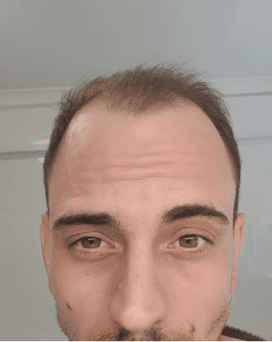
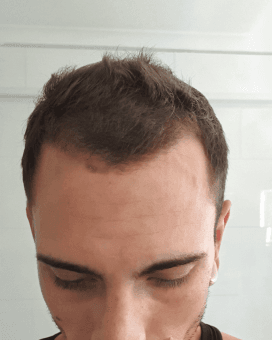
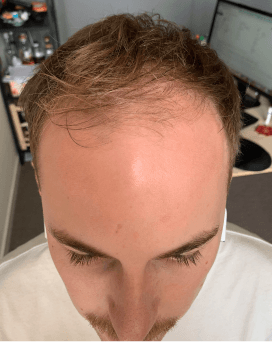
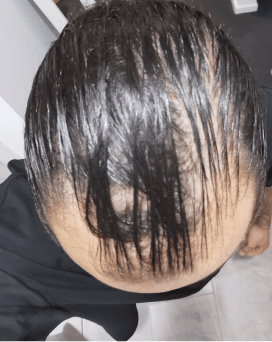
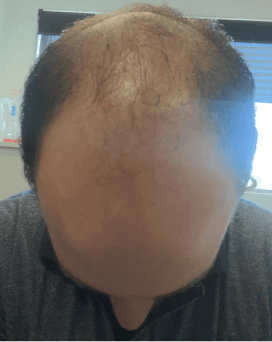
Brayden, 31QLD
StageReceding
PlanPrevent & regrow pro
PrescriptionDaily tablet and spray
Results4 months
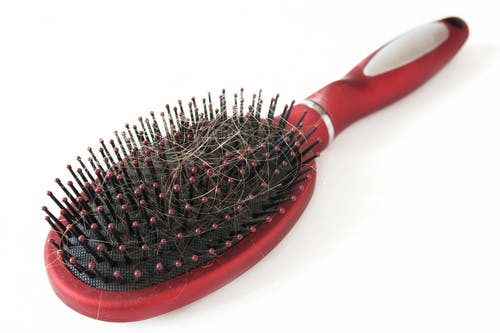
Losing between 50 to 100 hairs per day is considered normal [1], but when you start noticing excessive hair shedding, it can be alarming. Many individuals experiencing hair loss turn to treatments like minoxidil or prescription medications, only to encounter the so-called "dread shed"—a temporary increase in hair shedding [2]. In this article, we'll explore why treatments like minoxidil causes shedding [3], how to manage the shedding phase, and how Mosh can help you combat hair loss effectively.
Both oral minoxidil and topical minoxidil can be used to treat thinning hair, and while minoxidil stimulates hair growth, it can cause hair to fall out as well.
However, hair shedding when starting treatment may happen. While only temporary, this transient hair shedding phase is actually a sign of new growth.
Shedding is normal, but if you have any concerns, you can speak with a Mosh healthcare practitioner.
Losing between 50 to 100 hairs per day is considered normal [1], but when you start noticing excessive hair shedding, it can be alarming. Many individuals experiencing hair loss turn to treatments like minoxidil or prescription medications, only to encounter the so-called "dread shed"—a transient hair shedding phase that represents a temporary increase in hair shedding [2]. In this article, we'll explore why treatments like minoxidil cause shedding [3], how to manage the shedding phase, and how Mosh can help you prevent hair loss and improve hair density effectively.
Hair growth occurs in cycles and involves four main stages of hair growth [4]:
At any given time, each hair follicle is at a different stage of this phase of hair growth, which is why normal hair shedding happens daily.
Several factors can disrupt the normal hair cycle, leading to increased hair shedding [5]:
Topical minoxidil is a treatment approved for hair disorders [3]. Originally developed as an oral medication for high blood pressure, minoxidil was found to have the side effect of promoting hair growth. Today, oral minoxidil and topical minoxidil at low doses are widely used to treat thinning hair.
Minoxidil is also known to stimulate hair follicles by prolonging the anagen phase and increasing blood flow to the scalp [6]. This encourages thicker, stronger hair growth over time. Clinical trials have shown that the effect of minoxidil is dose-dependent, with higher doses of minoxidil formulations showing greater improvement in hair density. For example, in one study participants using 5% topical minoxidil experienced 45% more hair regrowth compared to those using the 2% formulation after 48 weeks [7].
In addition to topical treatments, there are hair regrowth prescription medications available that address the severity of hair loss by targeting hormonal factors contributing to androgenetic alopecia. These treatments are effective for both male and female pattern hair loss and work by inhibiting the formation of dihydrotestosterone (DHT), a hormone linked to hair thinning and loss [8].
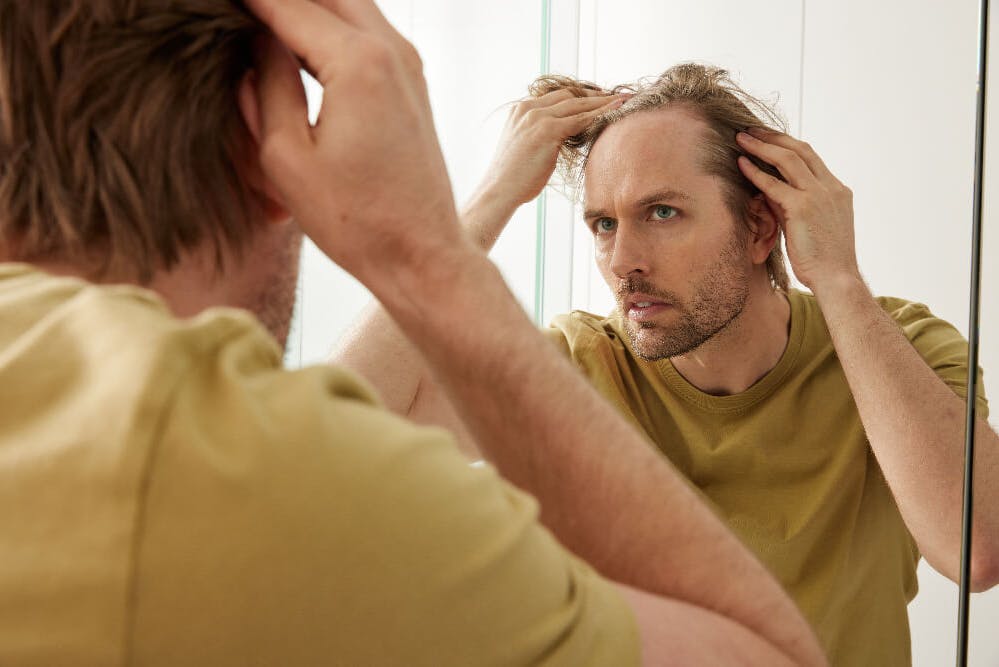
The "dread shed" refers to the hair shedding when beginning minoxidil and hair loss medication, which is often temporary [2]. While it may seem counterintuitive, this shedding is a sign that the treatment is working.
Both oral and topical minoxidil, and certain prescription medications, can cause an initial increase in hair shedding, known as the dread shed. This occurs because these treatments accelerate the hair growth cycle, pushing hairs from the telogen phase into the exogen phase sooner than usual. This makes way for new, healthier hairs to grow during the anagen phase [9].
When minoxidil is applied to the scalp, it sends a signal to all the hairs waiting in line to shed [9]. The message is that they no longer need to wait the usual 2-3 months. Any hair that is in line to shed is now encouraged to shed immediately. The typical waiting period has been temporarily lifted.
As a result, the person experiences an increased amount of hairs falling out on a daily basis after beginning minoxidil:
The shedding timeline typically occurs within the first 2 to 8 weeks of starting minoxidil treatment for hair loss (or other treatments) and should subside as the hair follicles adjust, although for some who experience a temporary increase in hair shed, shedding may continue for a little longer [10]. It's important to continue maintaining the use of your treatment as directed by your practitioner, as stopping could reverse any progress made [11]. If you continue to experience increased shedding beyond four months, consult a healthcare professional to rule out other causes.
Many fear hair loss with minoxidil, but paradoxically, shedding signals that minoxidil may be working. The old hairs are being shed to allow for the growth of new, healthier hair. The hair you lose during the shedding process always grows back [11].
The use of minoxidil impacts individuals differently. All formulations of minoxidil have the potential to cause shedding, though not all people may experience this short-term issue [11]. The amount of hair shedding may vary from person to person. Some individuals might experience only minimal shedding when starting minoxidil or their hair loss treatment, while others might notice more significant excess shedding. It's essential to understand that this variation is normal and part of the process.
If you're struggling with hair loss, remember: Minoxidil can help. Many patients experienced dread shed as a common side effect when starting minoxidil treatment, but it's imperative you don't stop using minoxidil immediately if you've just started. Knowing that others have gone through the same process can be reassuring. Remember that shedding happens as a natural part of the hair growth cycle and is expected when using minoxidil. Staying consistent with your treatment use is crucial for achieving the desired results in hair regrowth. While minoxidil side effects like shedding may be unsettling, they are temporary. With continued treatment, you can reduce hair shedding and see an increase in hair density.
Understanding the type of loss you're experiencing can help in selecting the most effective treatment.
A form of temporary hair shedding often triggered by stress, medications, or hormonal changes [12].
A genetic condition characterised by a receding hairline and thinning at the crown in men (male pattern baldness), and overall thinning in women (female pattern hair loss) [13].
An autoimmune disorder causing patchy hair loss on the scalp, face, and body [14]. Sometimes, alopecia areata sufferers experience spontaneous regrowth of their hair in patches since the follicles are not completely destroyed. Some extreme cases may even cause total shedding all over.
Inflammation destroys hair follicles, leading to permanent hair loss [15].
For those who are experiencing minoxidil shedding, it's important to:
Experiencing the dread shed can be unsettling, but understanding why it happens can alleviate concerns. Shedding is a temporary increase in hair loss—a normal part of the hair growth cycle when starting treatments like topical minoxidil or prescription medications. With the right support and treatment plan from Mosh, you can navigate this shedding phase confidently and look forward to new hair growth.
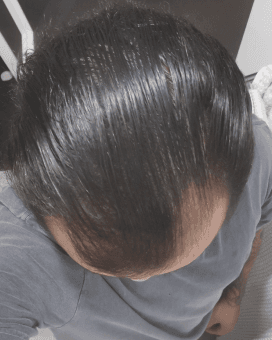
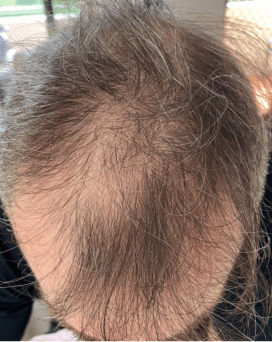
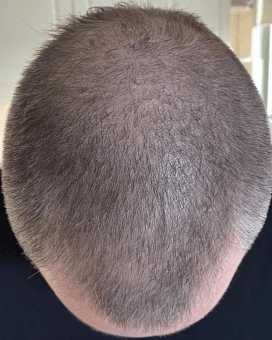
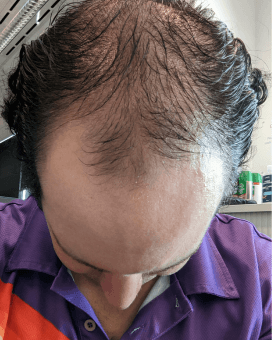
Minoxidil is a topical solution or foam used to treat hair loss, particularly male pattern hair loss. It works by stimulating hair follicles, promoting hair growth, and slowing down hair loss. When used consistently, minoxidil can lead to visible improvements in hair density and thickness over time.
Yes, hair shedding is a common occurrence when starting minoxidil treatment. This transient hair shedding is often a sign that the hair follicles are responding to the medication, transitioning from the resting phase to the growth phase of the hair cycle. While it can be concerning, it typically subsides as the treatment continues.
The duration of minoxidil shedding can vary from person to person but usually lasts for a few weeks to a couple of months. After this phase, users often notice new hair growth as the follicles begin to produce hair more effectively.
Minoxidil shedding can be attributed to the way minoxidil affects the hair cycle. The medication stimulates hair follicles, causing older hairs to shed to make way for new, healthier ones. This process is often viewed as a positive sign of the treatment's efficacy.
Predicting treatment efficacy with minoxidil can depend on various factors, including the type of hair loss, individual response to the medication, and adherence to the treatment regimen. Monitoring hair growth over time can provide insights into how well the treatment is working.
Topical minoxidil is applied directly to the scalp, while low-dose oral minoxidil is taken as a pill. Both forms can be effective for treating hair loss, but oral minoxidil may have different side effects and absorption rates. It's important to consult a healthcare provider before starting any treatment.
Minoxidil can help with certain types of hair loss, but its effectiveness in treating scarring hair loss may be limited. Scarring hair loss often involves damage to hair follicles, which may not respond to minoxidil like other hair loss disorders [16]. Consulting a dermatologist is essential for appropriate treatment options.
Oral minoxidil can lead to side effects such as fluid retention, increased heart rate, and unwanted hair growth in areas other than the scalp [17]. It is crucial to discuss these potential side effects of oral minoxidil with a healthcare provider to ensure safe usage.
Yes, minoxidil can also be particularly effective for male pattern hair loss. It works by increasing blood flow to hair follicles and stimulating growth, making it a popular choice for men experiencing this type of hair loss.
Ready to Treat Hair Loss?