
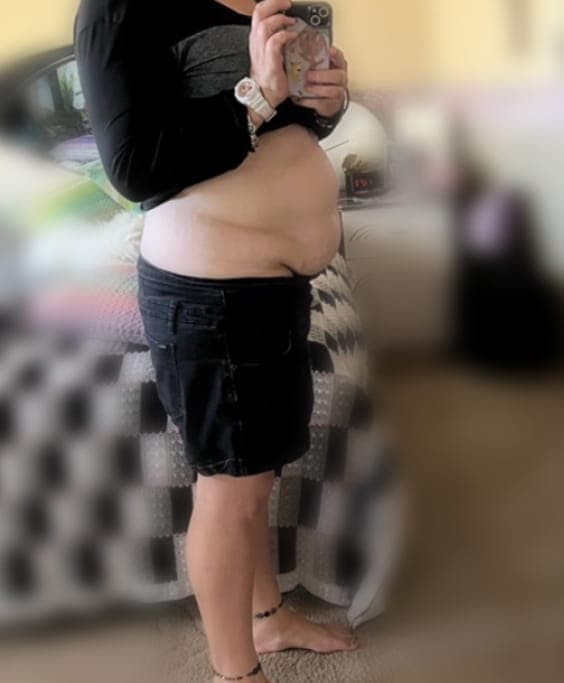
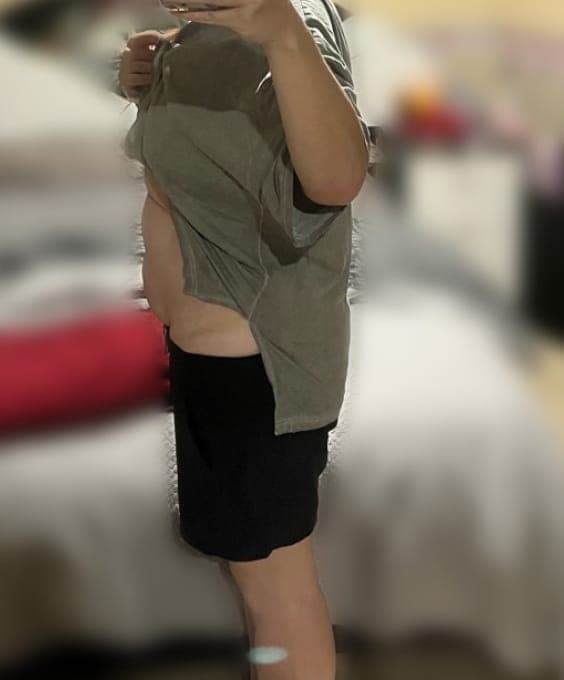
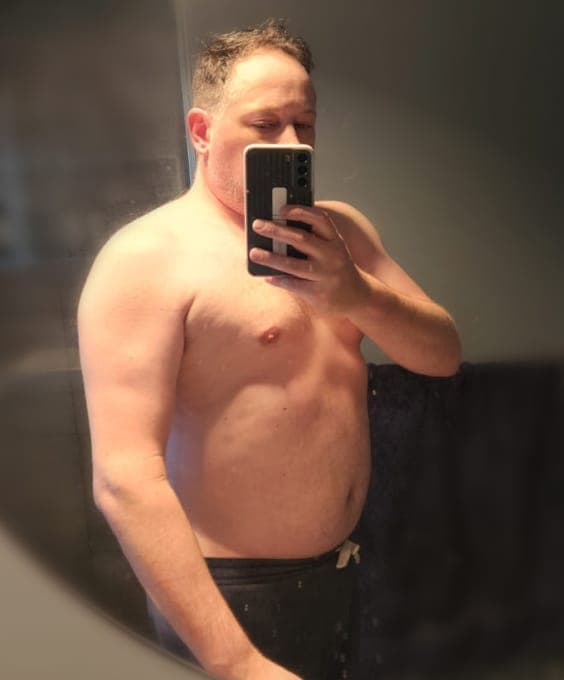
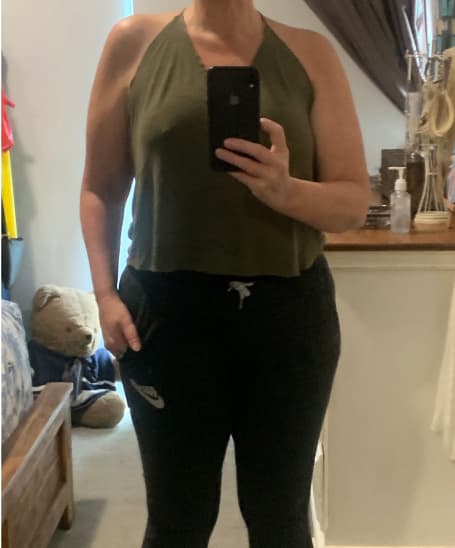
Angela, 37WA
Program typeWeight loss medication
Weight Lost10kg
Results shown5 weeks
Achieving weight loss effectively involves a combination of a balanced diet, regular exercise, and potentially evidence-based treatments.
A healthy diet should focus on whole, unprocessed foods like fruits, vegetables, lean proteins, and healthy fats while limiting added sugars and unhealthy fats. Regular aerobic exercise, aiming for at least 150 minutes of moderate-intensity activity per week as recommended by the department of health and physical activity guidelines, is essential to burn more calories and improve overall health.
In some cases, evidence-based treatments such as prescription medications or weight loss surgery may be necessary, especially when diet and physical activity and exercise alone are insufficient.
'How much exercise should I do to lose weight?’ is one of the most commonly asked questions on the internet. The majority of people want to look good, but they don’t know how. Unfortunately, most people are told to ‘just exercise’ or ‘eat better’ while they go along their merry way doing absolutely nothing and getting nowhere.
So rather than relying on their own assumptions, come to Mosh for advice. Our medical team works hard to provide our patients with clinically-backed advice on weight management and, if necessary, weight loss plans to help people achieve their fitness goals.
Get the answer to questions like ‘How much exercise each day should I do to lose weight?’, 'find out how many calories you need to burn to lose weight', or 'how many minutes of vigorous exercise I need to do each week?' and other health-related concerns on our platform.

Losing weight can be a challenging and complex process, but there are several strategies that can aid weight loss. Diet and exercise, along with clinically-backed treatments are some of the most common and effective ways to lose weight and improve your overall health.
Eating healthy, balanced weight loss diets is an important part of any weight loss program. Choosing whole, unprocessed foods, such as fruits, vegetables, whole grains, lean proteins, and healthy fats, can help you feel full and satisfied while providing your body with the nutrients it needs.
Limiting added sugars and unhealthy fats, such as those in sugary drinks, fast food, and processed snack foods, can also help you lose weight and reduce your risk of gaining it again.
Exercise for weight loss is an essential part of any program. It can help you burn calories, improve your cardiovascular health, and build muscle.
When it comes to figuring out ‘Do I need to exercise to lose weight?’, it ultimately depends on your body weight and consumption. But in general, adults aim for at least 150 minutes of moderate-intensity physical activity or 75 minutes of vigorous-intensity physical activity, or a combination of both, each week. This translates to about 30 minutes of moderate exercise per day, or 15 minutes of vigorous-intensity activity per day.[1]
If you're new to exercise, you can start with 30 minutes a day and gradually build up to 150 minutes of moderate aerobic activity or 300 minutes for greater health benefits and weight management.
In some cases, evidence-backed treatments, such as prescription medications or weight loss surgery, may be recommended for individuals who are struggling to lose weight through diet and exercise alone.
These treatments should only be considered after consulting with a healthcare professional, such as a Mosh medical professional, and should be used in conjunction with the ideal exercise plan for weight loss for you and a tailored exercise routine [2].
It’s important to remember that everyone is different, and what works for one person may not work for another. It’s a good idea to consult with a healthcare professional to create a personalised weight loss plan that meets your specific needs and goals.
The amount of exercise each day you need to do to lose weight will depend on your current fitness level, your goals, and any physical limitations you may have.
However, to give you a general answer to your question of ‘how much exercise do I need to lose weight?’, you can try 2-3 days a week of vigorous activity or 5 days a week of moderate exercise every week, aiming for a total of 150 minutes a week that supports 1 to 2 kilograms of weight loss a month. These exercises can be broken into 60 minutes or smaller chunks spread out. Activities that get your heart rate up and make you break a sweat, such as brisk walking, cycling, or swimming, could help you burn more calories quicker than slower exercises like yoga or pilates [3].
To find out how many calories you need to burn, consult a Mosh medical practitioner to make sure you are doing the type of exercise most beneficial to your goals.
Simply begin by filling out our questionnaire with your basic information, medical history, and weight loss goals. Within twenty-four hours, you can expect a response from one of our Mosh experts with either clinically-backed advice or a weight loss treatment program, if necessary.
You may then get in touch with your practitioner via text, call, or video chat to ask questions like 'how to maintain your weight' or 'how many calories you burn with certain exercises'.
For other questions, like ‘What food makes you lose weight?’, or 'how to calculate body fat percentage',you can read more about these topics or speak with a Mosh professional.
There are many exercises that can help you lose weight and get in shape, but the best exercise for weight loss will depend on your current fitness level, your goals, and any physical limitations you may have. Here are a few exercises that you can incorporate into your daily routine to help you lose weight and improve your overall fitness:
It’s important to consult with a professional before starting any new exercise program, especially if you have any underlying health conditions or injuries.
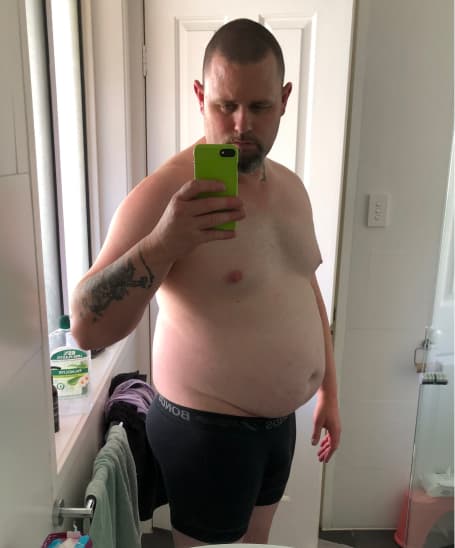
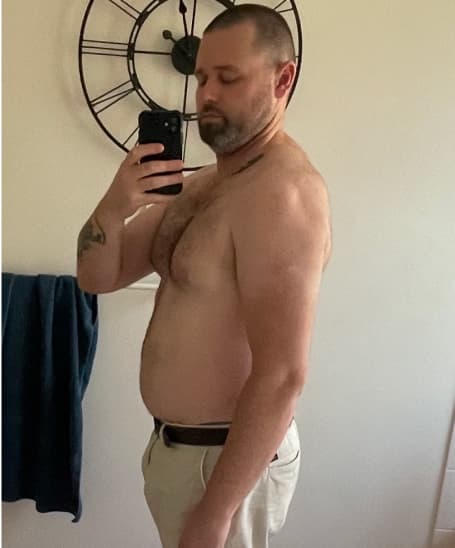
If your goal is to lose weight and your Mosh health care professional recommends a program, it might either be The Dadbod Program or The Bigbod Program depending on which profile best resembles you so you no longer have to keep asking yourself ‘How much exercise each day should I do to lose weight?’
Enrolling in a weight loss program at Mosh will give you access to weekly meal guides, supplement shakes, a community for accountability, and regular check-ins to make sure your calories you burn match the number of calories you consume.
Moreover, you will be able to have unlimited consultations where you can find out things like how to lose chin fat, ask how to lose belly fat overnight.
It’s not all about asking questions like ‘How much do I need to exercise?’. Your diet is as equally important. When paired with regular aerobic exercise, eating a healthy, balanced diet can help you maintain a healthy weight, improve your overall health, and reduce your risk of chronic diseases such as type 2 diabetes and heart disease.
Eating a healthy and balanced diet is important for maintaining good physical and mental health. To achieve this, it is recommended to focus on whole, unprocessed foods such as fruits, vegetables, whole grains, lean proteins, and healthy fats. These types of foods are more nutrient-dense and can help you feel full and satisfied.
Limiting sugary drinks or drinks with added sugars as well as unhealthy fats found in processed fast food, and processed snack foods, can significantly increase the amount of weight you gain and increase the risk of chronic diseases.
Fruits and vegetables are an important part of a healthy diet as they are high in fibre, which can help with feeling full and satisfied, and are also rich in nutrients such as vitamins and minerals. Staying hydrated is also key, as drinking plenty of water throughout the day helps flush out toxins from the body. It is recommended to avoid sugary drinks and alcohol, which can contribute to weight gain
It’s also important to remember that everyone is different, and what works for one person may not work for another [6], which is why Mosh doctors are needed to help create a personalised diet plan that meets your specific needs and goals.
Whether you're trying to lose weight, maintain it, or just improve your health, understanding how much exercise you need, how many minutes a week, and the number of calories involved is essential.
Mosh health care professionals have a specialised interest in men’s health and are ready to guide you with answers to any medical concerns or issues you may have.
One way they do this is by providing a wide range of medical, over-the-counter, or coaching solutions depending on their unique circumstances. With Mosh, you can be sure you’re just as taken care of as the rest of our patients.
Contact us today to get started!

To effectively lose weight, you should aim for at least 150 minutes of moderate-intensity physical activity each week [7].
This can include activities like brisk walking or cycling. Additionally, incorporating vigorous aerobic activity for at least 75 minutes a week can help boost your weight loss efforts.
The best exercise routine for weight loss combines both cardio and strength training. Aim for at least 300 minutes of moderate-intensity activity weekly, which can include exercises like jogging, swimming, or using weight machines.
Incorporating physical activity throughout the day, such as walking or taking the stairs, also contributes to your overall exercise regimen.
For effective weight loss, you should aim for a minimum of 150 minutes of moderate cardio exercise each week, or 75 minutes of vigorous cardio.
This can be spread out throughout the week, such as exercising most days or completing sessions lasting 20 to 30 minutes each.
Yes, you can lose weight without exercising every day, but consistency is key. Aim for at least 3 days a week of structured exercise, combined with physical activities on other days, to help maintain your weight and promote weight loss.
To see significant weight loss results, include at least 75 minutes of vigorous activity each week.
This can involve high-intensity workouts like running, cycling, or participating in sports that elevate your heart rate and help you burn more calories.
Following the exercise guidelines set by the Department of Health and Human Services[7] can greatly benefit your weight loss journey.
These guidelines recommend getting at least 150 minutes of moderate-intensity or 75 minutes of vigorous aerobic activity each week, along with strength training at least 2 days a week.
The most effective way to lose weight through exercise is to combine both cardio and strength training, aiming for a total of 300 minutes of moderate-intensity activity each week.
This helps you burn calories and build muscle, leading to better weight loss outcomes.
You can spread out your exercise by scheduling short, manageable workouts of at least 30 minutes most days of the week.
For example, you can work out for 20 to 30 minutes, five days a week, or combine longer sessions on fewer days to meet your weekly goals.
Want to see how Mosh can help you?