


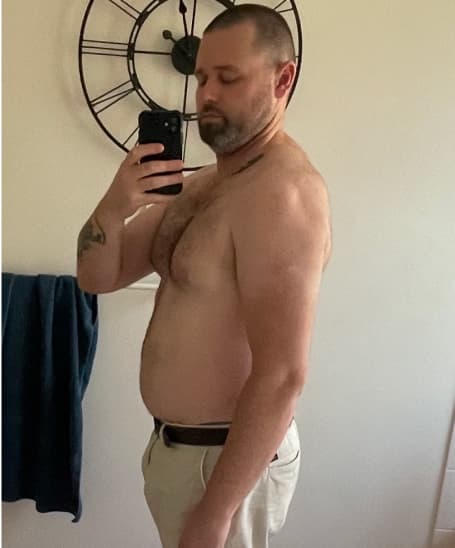
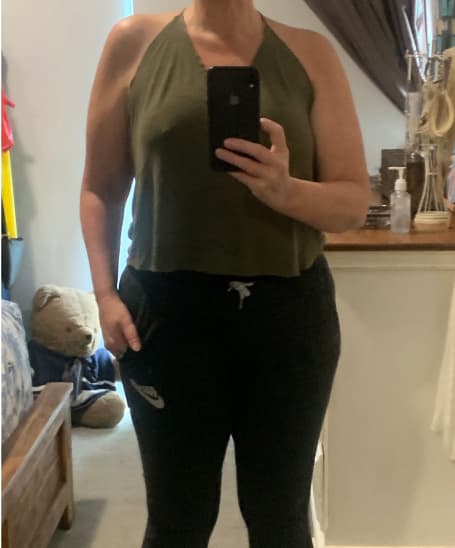
Angela, 37WA
Program typeWeight loss medication
Weight Lost10kg
Results shown5 weeks

Instead of opting for fad diets and unsupervised supplements, reach your desired weight through a combination of balanced diet and regular physical activities. Consult a medical health care professional to get a personalised and sustainable weight loss plan that suits your needs and requirements.
If you’re curious about the best way to lose weight, asking the internet might take you down a rabbit hole of ‘fastest way to burn fat’ ads that may not be right for you. Everybody has a different body type and fat distribution, and it can be difficult to determine how to lose body fat, given your unique situation.
At Mosh, our Australian-based medical team can help you with your weight loss concerns without having to leave your home. All you have to do is take our online weight loss quiz, and you can learn how to lose fat and receive personalised advice within 24 hours. Our medical team can assess your condition and, if needed, recommend the necessary solutions for your specific needs.
If you’re curious about how to lose fat, asking the internet might take you down a rabbit hole of ‘fastest way to burn fat’ ads that may not be right for you. Everybody has a different body type and fat distribution, and it can be difficult to determine how to lose fat, given your unique situation.
At Mosh, we connect you to doctors in Australia with whom you can consult about your weight loss concerns without having to leave your home. All you have to do is take our online weight loss quiz, and you can learn how to lose fat and receive personalised advice from your doctor within twenty-four hours. Our doctors can assess your condition and, if needed, recommend the necessary medical, over-the-counter, or coaching solutions for your specific needs.
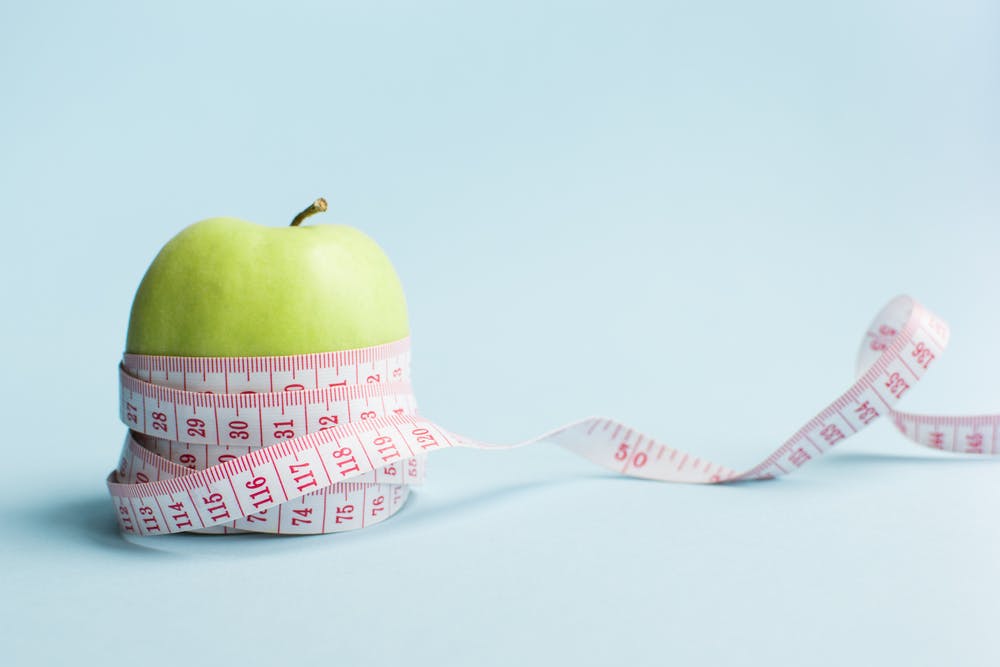
To lose weight, you need to look at your daily calorie consumption. Ideally, your calorie intake should be less than your calorie expenditure, otherwise known as a calorie deficit. This way, instead of relying on the food you are consuming for energy, the body will instead tap into your storage of fat reserves, which results in weight loss.
Choosing a balanced diet that includes whole grains instead of refined grains, limits added sugar, and prioritises lean proteins and healthy fats can help reduce the risk of weight gain, heart disease, and other chronic conditions.
When it comes to weight loss, many people overlook the benefits of adopting a high protein diet. Not only does protein help preserve muscle mass, but it also contributes to feelings of fullness, which can support reduced calorie intake. Increasing your protein intake may also help to lower abdominal fat by improving metabolic function and decreasing cravings.
Increasing your daily physical activity can help you pursue a calorie deficit, which can lead to weight loss. Incorporating strength training into your routine not only burns calories but helps build muscle mass and improve body composition.
If you’re one of those people allergic to the idea of working out, remember that not all workouts have to feel like 'work'. Exercise doesn’t always have to come in the form of programmed sets. Making even minor adjustments to your daily routine - such as walking or riding your bike instead of driving, taking the stairs instead of the lift - can have a significant impact on your lifestyle changes and overall health.
An effective way to reduce visceral fat (the type of fat stored deep within the abdomen) is to lift weights or engage in strength training. These exercises help to improve your metabolic rate and promote a leaner body composition. Visceral fat is linked to an increased risk of heart disease and type 2 diabetes. Reducing this type of fat is a key objective in improving overall health.
Many other factors, not just food and physical activity, influence your ability to lose weight; taking a holistic approach is a good way to optimise your weight loss strategy.
At Mosh, we take a comprehensive view of nutrition and diet and exercise, and if required, our doctors can suggest medically-backed treatments to help you attain your objectives.
Keeping body fat off for the long term means avoiding short-term solutions like crash diets and taking supplements unsupervised. In spite of the many solutions on the market that claim to be quick and permanent fixes, the way to reach and maintain a healthy body weight is to make changes to your diet, lifestyle, and physical activity levels.
If you want to know how to lose fat in the long run, it’s ideal to do so in smaller, attainable increments. Most experts agree that a weight loss rate between 0.45 and 0.9 kilos per week is safe and healthy.
More than that, you open yourself up to health risks, including gallstones, nutritional deficiencies, muscle loss, and a sluggish metabolism, which is unsustainable.[1]
It may sound like a paradox, but eating more fat - healthy fats - may help reduce your fat levels.
According to a study on the Mediterranean diet, which includes olive oil, nuts, and avocados, weight loss is more sustainable with healthy fats. Conversely, eating more trans fats (such as those found in fried or processed foods) is linked to a greater risk of weight gain. You can swap your fat intake for foods that have healthy fats, like olive oil, coconut oil, avocados, almonds, and seeds.[2]
When you consult with a Mosh health care professional, you can learn what goes into a healthy diet and how to lose fat.
You can get pointers about which foods are high in fat, what is a healthy body fat percentage, and do fat burners work. All this can be done through SMS, chat, or video call.
Aside from burning calories and fat through physical activity, your body knows how to lose fat on its own. It has a natural process in place that burns through them to keep you alive.
Your body relies on a series of chemical reactions known as metabolism to convert food into energy. It fuels the body’s essential functions like breathing, digestion, blood flow, and tissue and cell repair. The number of calories burned for these functions is known as a person’s basal metabolic rate (BMR), while the amount you burn while at rest is called your resting metabolic rate (RMR).[3]
A higher resting metabolic rate results in greater calorie expenditure. The rate at which calories are burned depends on factors such as gender, age, body mass index, diet and exercise, as well as lifestyle. Boosting your metabolic rate is a great way to improve your health and improve your weight management.
Maintaining a long-term healthy lifestyle, balanced diet and regular exercise regimen should help regulate your metabolism overall. Still, there are also some little habits and changes you can quickly adapt to boost your metabolism.
People thinking about how to lose fat often forget how important it is to get enough rest. When a person doesn’t get enough sleep, their bodies can’t control their hunger hormones as well as they should. Research has shown that people who don’t get enough sleep are up to 55 per cent more likely to become gain weight and become overweight and obese.[4]
Aim for between 7-9 hours of sleep each night.
Additionally, drinking water may also increase the number of calories you burn.[5] A study found that, for middle-aged and older individuals, drinking water before meals can reduce appetite and subsequently reduce calorie intake, aiding with weight loss.[6]
Lastly, coffee and green tea contain healthy compounds and antioxidants. They can give you more energy and help your body burn more calories.[7] Caffeinated coffee has been shown to speed up the metabolism by 3 to 11 per cent[8] and reduce the risk of getting type 2 diabetes by 23 to 50 per cent when consumed in high amounts.[9] These work best when you don’t add any sugar to them.
So long as your daily calorie intake is lower than your daily calorie expenditure, weight loss is likely to occur. A study has shown that isolated weight loss is more effective with isolated dietary changes than with isolated physical activity.[10]
You can’t receive calories without eating and drinking, but you can burn calories without exercising. Since our calorie expenditure is taken care of by metabolism and other things your body performs on its own, adjusting your calorie intake is a good starting point to help you lose weight.
The more you move around, the more calories you’ll burn. Consistent physical activity boosts metabolism, increasing calorie expenditure long after you’ve stopped perspiring.
However, it's important to not completely limit your calories, because your body needs the vital nutrients from food to function. Plus losing weight too quickly can lead to muscle loss and other health issues.
Because of our individual differences in genetics, medical history, lifestyle, and diet, losing fat can be challenging for some people, while it comes easily to others. You can talk to a Mosh healthcare professional for personalised advice. Get started by answering our online questionnaire; it enquires into your goals, diet, and habits. When you’re done taking the survey, your doctor can use this info to make a custom recommendation within twenty-four hours.
When designing a weight loss program, our Mosh team considers your risk for diseases like type 2 diabetes, obesity, and hypertension. If your weight loss goals change or you have trouble reaching them, you can provide updates on your progress and discuss any necessary changes to your treatment plan, if any.
During your consultation, you can ask questions about how to lose fat or what causes fat in the liver. If you’re wondering how to lose belly fat, how to lose weight quickly, or how to get rid of back fat, you can also bring it up during your consultation.
Mosh is a platform for men’s health issues, including skincare, weight loss, hair loss, mental health, and sexual health, among others. We connect you to AHPRA-registered Australian medical professionals for a variety of medical concerns.
Talk to us at Mosh whenever you’re ready.
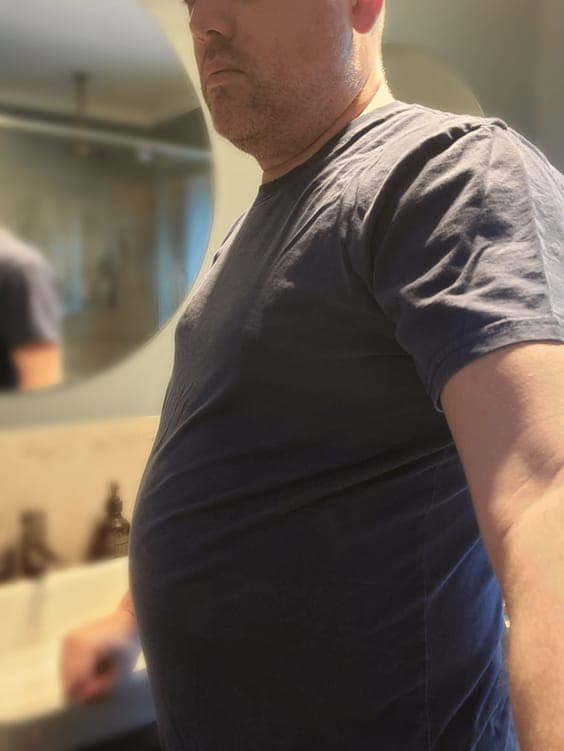
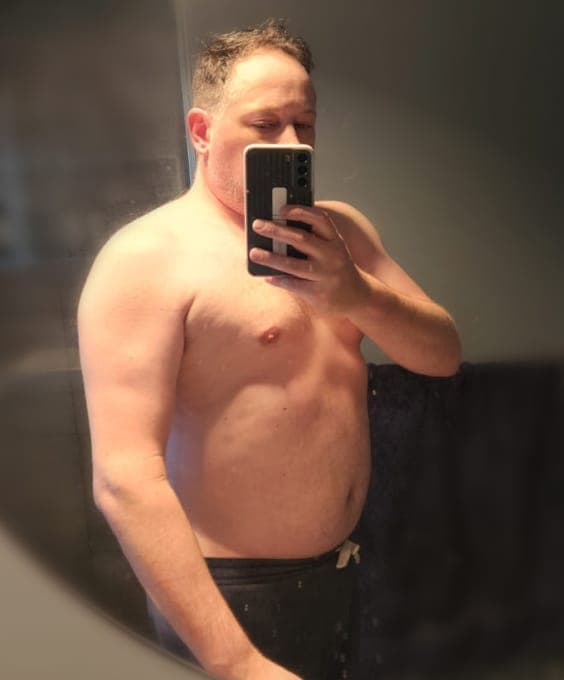
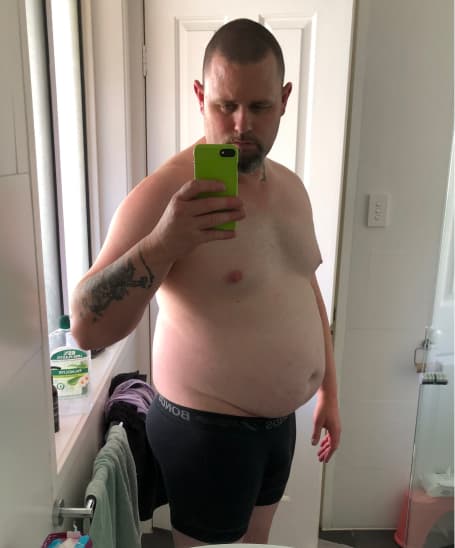

To lose fat effectively, focus on:
Diet plays a crucial role in weight management. A high protein diet can help preserve muscle mass while losing fat.
It's important to choose whole grains over refined grains and include healthy fats to help support your overall health. Following a structured weight loss plan can guide you in making better food choices that promote healthy weight.
Physical activity helps burn calories and is essential for fat loss. Engaging in at least 150 minutes of moderate aerobic exercise each week, along with strength training, can effectively reduce body fat.
Additionally, resistance training in healthy adults helps in maintaining muscle mass while losing weight.
To lose belly fat, focus on a combination of diet and exercise. Reducing sugar and refined carbohydrate intake while increasing protein can help.
Incorporating both aerobic exercise and resistance training can target visceral fat mass effectively, leading to improved body composition and overall health.
Losing around 5kg (10 pounds) in a healthy manner involves a gradual approach. Aim for a weight loss of 0.5kg (1-2 pounds) per week by creating a calorie deficit through diet and exercise.
Prioritise whole foods, engage in regular physical activity, and stay consistent with your weight loss plan to achieve sustainable results.
Being overweight or obese increases the risk of various health issues, including heart disease, diabetes, and certain cancers.
Managing your weight through a balanced diet and regular exercise can mitigate these risks. The department of health [11] recommends healthy lifestyle changes to promote weight loss and improve overall health.
Insulin plays a significant role in fat storage and loss. Elevated insulin levels can promote fat storage, particularly in subcutaneous fat and visceral fat mass [12].
Managing carbohydrate intake and choosing foods that have a lower glycemic index can help keep insulin levels stable, supporting weight loss efforts.
Weight loss maintenance is crucial for long-term success in managing your weight.
It involves adopting sustainable lifestyle changes that prevent weight regain.
Incorporating regular exercise, monitoring dietary choices, and understanding the balance between fat and fat-free mass can help maintain the loss and improve weight loss and overall health.
Want to see how Mosh can help you?