


Angela, 37WA
Program typeWeight loss medication
Weight Lost10kg
Results shown5 weeks
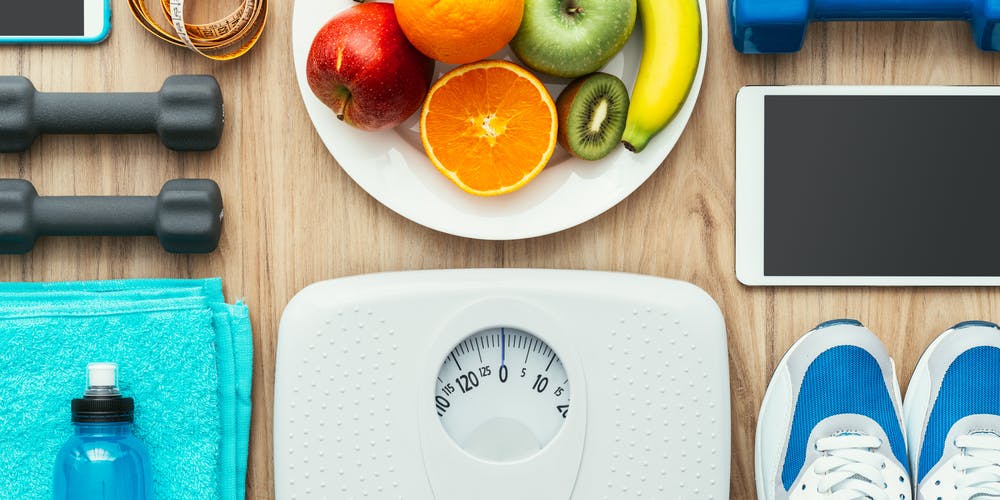
From around the age of 30, many individuals find it difficult to lose weight. This may be due to factors such as hormonal changes, slowing metabolism, and poor lifestyle habits. Healthy and sustainable dietary and exercise habits, evidence-based treatments, and consulting a health professional are some of the recommended ways to manage weight gain.
Weight is linked to health, and uncontrolled weight gain can increase your risk for issues like cardiovascular diseases, lower back problems, diabetes, and more.[1] Some individuals opt for different methods to keep weight off and lose more weight, such as fad diets, but when they don’t see results, they end up asking, ‘Why can’t I lose weight?’
If this is the same for you, we understand that you’re frustrated and tired of feeling stuck in a rut. You need someone who understands your struggle and can help you find the path to success. Mosh is here to help. We connect you with health practitioners who can assess your unique concerns and discuss evidence-based advice for your personal weight loss journey. Losing weight isn't just about how many calories you eat or eating less, it's understanding the whole concept and the causes of weight gain, and the reasons why someone might struggle to lose belly fat, as well as looking into their diet and lifestyle.
Read more about this below and find the answer to ‘Why can’t I lose weight?’
When you hit midlife, it can become increasingly difficult to lose weight due to changes in your body or your lifestyle.[2] You might feel like you aren't losing fat, have hit a plateau - even if you are consuming fewer calories than previously. While it might be easy to say that age is the main reason why you can’t lose weight, it goes a lot deeper than that. Several major factors hinder our weight loss when we age, such as:
It is important to understand that age-influenced weight gain varies greatly for each person, as genetics significantly contribute to your weight.[3] However, while it may be difficult to lose weight given these factors, it isn’t impossible to manage your weight.

It may take considerably longer and more effort to burn fat and lose weight, but some common methods are helpful in maintaining your weight. These may include healthy and sustainable dietary and exercise habits, such as strength training to help you gain muscle and eating a high-protein diet. Increasing your muscle mass can help boost your metabolic health. Moreover, if your doctor or dietitian recommends it, certain meal replacement shakes or medical weight loss treatments can help you reach your ideal weight range.
You shouldn’t solely focus on either diet or exercise. They should be done in tandem and in moderation.
You can start with small, manageable changes to either one and then adopt a healthy diet and exercise habits such as:
While these are general methods to manage your weight at any point in your life, they are especially influential once age starts becoming more of a factor for you.
Instead of searching for ways to lose weight fast or questionable fix-all treatments, you can speak to your doctor to understand your body’s needs, like eating different food and finding out what could cause weight gain, like thyroid issues or other health-related issues that might cause you to put on weight quickly.
Mosh’s health platform can connect you to a network of AHPRA-registered doctors who can help you understand ‘why can’t I lose weight’ and guide you through how to address your health concerns. If necessary, our Mosh health practitioners will offer personalised recommendations with science-based evidence to get you the desired results if you are suffering from being overweight or obesity.
Instead of worrying about how to lose 10 kilograms of weight fast in 2 weeks, weight loss should be treated as a lifelong commitment to staying healthy and adopting sustainable eating habits that your body needs, as well as exercise habits.
Improving a slow metabolism through proper dietary habits and regular exercise is possible to a certain degree.[5] While metabolism only plays a minor role in weight management, it does affect how often and quickly you can naturally burn calories and body fat. It’s important to understand how you can manage your metabolism through diet and exercise, as ageing can significantly slow down your metabolism.[6]
There are some specific methods that you can do to ‘restart’ your metabolism and help you lose weight. If done consistently, they can help you maintain a healthy metabolism that aids you in losing weight naturally.[7] These may include, but are not limited to:
If you feel as though your routines are negatively affecting your life and health or you are hitting a weight loss plateau, even with a calorie deficit, we encourage you to speak to your doctor as soon as possible. Weight gain is a manageable health concern if you seek help and support. There may be some other possible reasons, like thyroid issues, that could lead to weight gain.
At Mosh, our online telehealth platform connects you with a network of AHPRA-registered medical professionals who will offer you evidence-based recommendations to help you understand your unique conditions. If necessary, they will also prescribe a treatment plan that is tailored to your specific needs and objectives.
Related to restarting your metabolism, you can understand how to plan a diet to lose weight and how to exercise for weight loss with Mosh.
There are some popular supplements in Australia that you can take to boost your weight loss, but based on a global review of dietary supplements, most supplements did not result in significant weight loss [6]. Moreover, research suggests that some of these supplements are linked to causing significant health concerns.[7]
Instead of trying to find a quick one-off solution to ‘why can’t I lose weight’, it is recommended that you speak to your doctor, who can recommend healthier and more sustainable methods to lose weight without compromising your health.
The key factor in losing weight is building consistent healthy habits around aspects of your daily life, especially in your diet, physical activity, and mentality. Before you even consider a treatment plan or any form of medication, our Mosh team will recommend lifestyle changes with science-backed evidence. If necessary, they may prescribe medical weight loss treatments, meal replacement shakes, or diet coaching solutions that will achieve your desired results.
If you don’t want to commit to a treatment plan, we won’t force you to do so. Depending on your situation, you may even pause your treatment at any time. With our network of AHPRA-registered doctors, we can match you with the right person if you feel your current practitioner isn’t the right fit.
We also offer a range of services to Moshers who have been recommended a treatment plan.
You will receive your medications and treatment plans at your earliest convenience if you are prescribed medications or treatment by Mosh health practitioners and opt to subscribe to a plan. A weekly meal plan guide, a dashboard, and a supportive community will also be available to you. You can consult with them as needed, whether through text or call, to ask questions such as ‘Which foods are high in fat?’ and other concerns you may have.
It may be hard to grapple with thoughts like ‘why can’t I lose weight’ whenever you try to lose weight or adopt healthier eating habits. However, you don’t have to go through this journey alone.
At Mosh, we are committed to helping you understand how to lose weight healthily and sustainably. Now is the time to build habits that will help you achieve and maintain a healthy weight. We are here to help you achieve your desired results using science-backed programs.
If you want to learn more about losing weight, consider reading about ‘how to lose belly fat’ and ‘how much weight can I lose in a week’.
We want you to feel confident in your body whenever you step out of the house. Talk to a Mosh practitioner today.
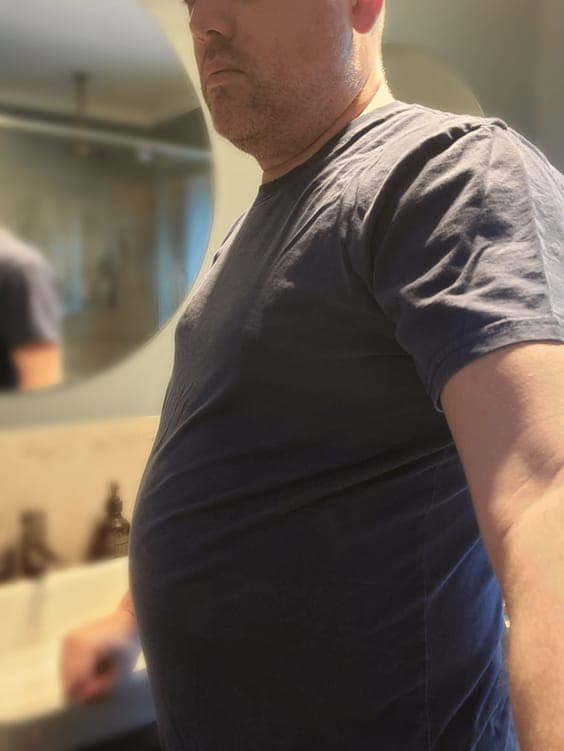
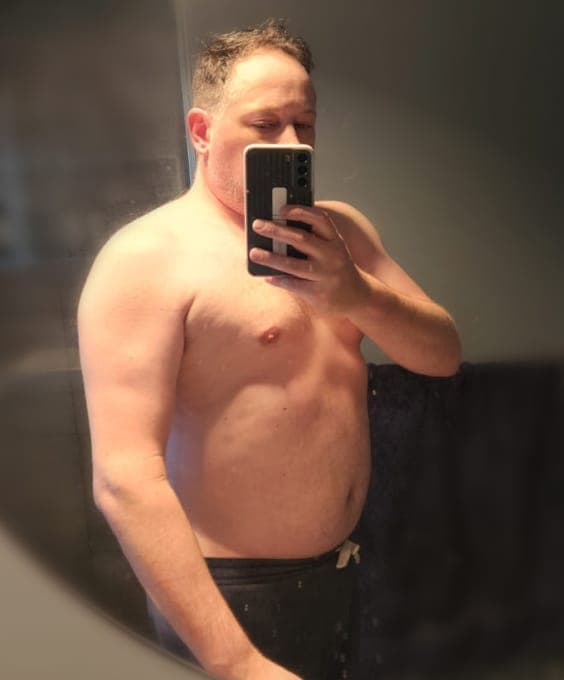
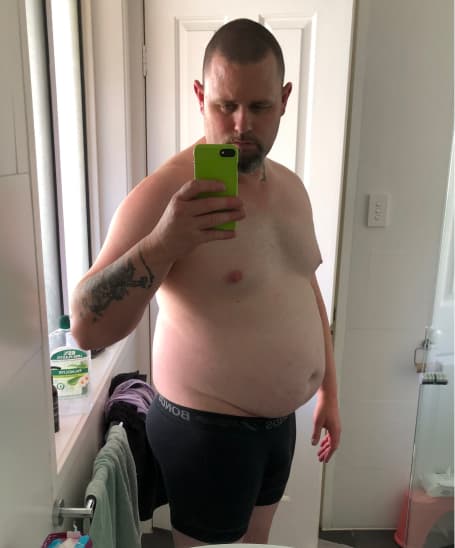
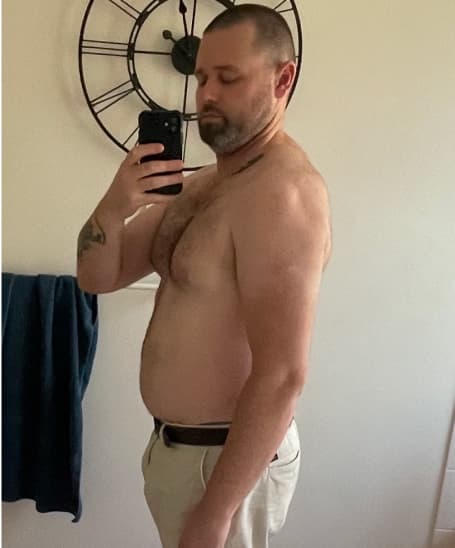

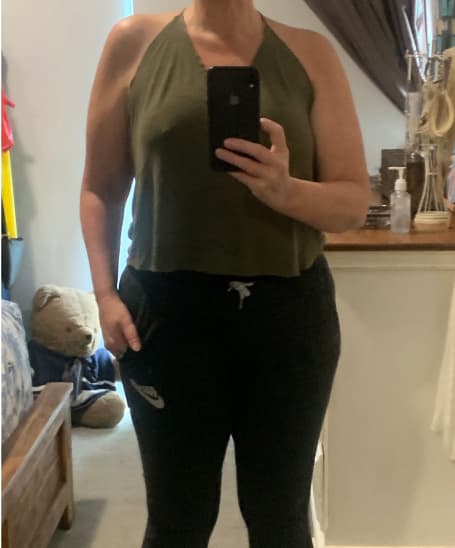
There are several reasons why you might not see the number on the scale change, even if you’re exercising regularly and following a weight loss plan. Factors like metabolic rate, calorie intake, and the types of foods you consume can all affect your weight [8]. It's essential to evaluate your daily habits and consider consulting a registered dietitian for personalised advice.
Reasons why you might struggle with weight loss include eating too many calories, poor sleep, and insufficient physical activity. Additionally, stress and hormonal changes can also hinder weight loss progress [9]. Understanding these factors can help you identify what might be holding you back from reaching your weight loss goals.
A calorie deficit occurs when you burn more calories than you consume. This is crucial for effective weight loss. If you’re not losing weight, it may be due to consuming more calories than you realise, or your calorie expenditure may be lower than you think [10]. Tracking your calories, focusing on eating more protein and eating a healthy diet, can help ensure you're in a deficit.
Yes, poor sleep can hinder weight loss. Lack of sleep affects your metabolism and can lead to weight gain by increasing cravings for sugar and fat [11]. Ensuring you get enough sleep is vital for maintaining a healthy weight and supporting your weight loss efforts.
Individuals with type 2 diabetes may find it harder to lose weight due to insulin resistance and other metabolic factors [12]. It’s important to manage your blood sugar levels while following a sustainable weight loss plan. Working with healthcare professionals can help tailor your approach for better results.
If you're eating too much, consider changing your diet to include more whole foods and reducing portion sizes. Eating fewer calories while ensuring you get the necessary nutrients can help you start losing weight. Focus on whole grains, lean proteins, and plenty of fruits and vegetables.
To burn more calories, increase the intensity of your workouts or incorporate strength training to build muscle. Muscle burns more calories than fat, even at rest, as muscle is denser than fat, which can help you achieve long-term weight loss. Consider mixing up the type of exercise you do to keep it engaging and effective and you could try logging your daily calories.
A weight loss plateau is when your weight stabilises despite continued efforts. This can happen due to a decrease in your metabolic rate as you lose weight or if you’re not tracking your calorie intake accurately [13]. To overcome a plateau, reassess your diet and exercise routine, possibly introducing new activities or adjusting your calorie intake.
Sustainable weight loss involves creating a lifestyle that includes balanced eating, regular physical activity, and proper sleep. Focus on gradual changes rather than rapid weight loss, as this is more likely to lead to maintaining your weight in the long run. Setting realistic weight loss goals can help keep you motivated and on track.
Want to see how Mosh can help you?