
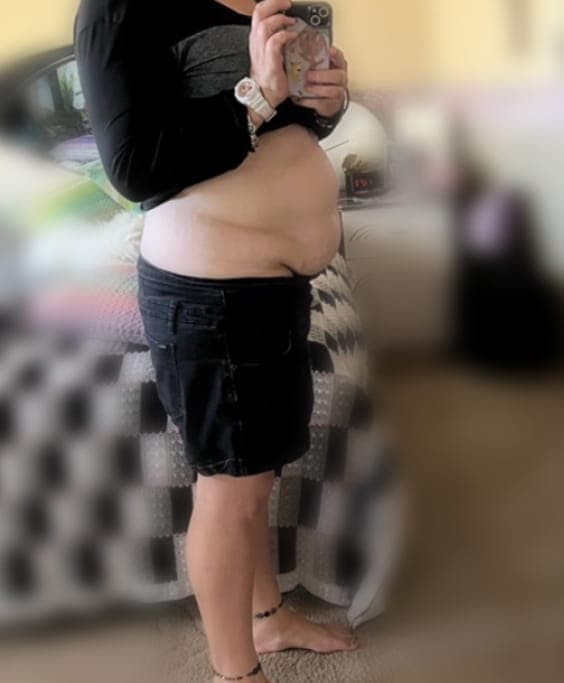
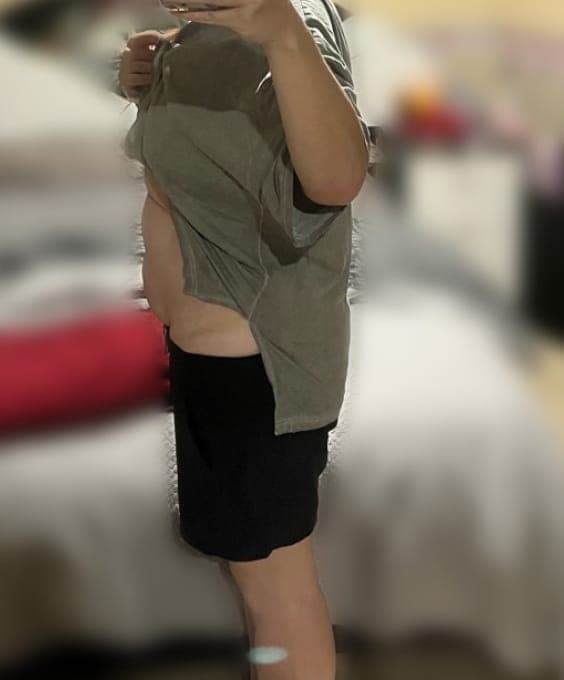
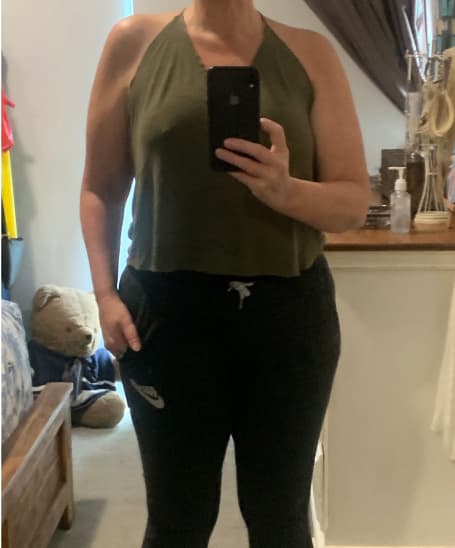
Angela, 37WA
Program typeWeight loss medication
Weight Lost10kg
Results shown5 weeks
Given that it is difficult to target losing fat in specific areas of the body, losing thigh fat can be challenging [1]. So to reduce thigh fat, you can focus on body composition improvements through a mix of diet and exercise.
Increasing cardiovascular exercise will help, as well as staying hydrated, reducing processed foods, and committing to regular exercise are crucial steps in reducing overall body fat. Sustainable thigh fat reduction comes from a combination of lifestyle changes, strength training exercises, and health eating habits [2].
To get a weight loss plan that suits your specific goals and situation, it is recommended that you seek proper advice from a medical professional.
Large thighs and stubborn thigh fat are a common concern for many individuals and can make an individual feel insecure at times. Ever button up a pair of jeans thinking they fit well enough until you sit down and they constrict around your thighs so tightly? The issue might not only be the jeans, but how your body stores fat in the lower body. Factors such as genetics, diet and exercise play a big role.
Whether you just want to shape your thighs, lose inner thigh fat, or improve overall muscle tone. With Mosh, you can get a custom weight loss plan from Australian health practitioners without leaving your house. You can learn how to burn fat, reduce excess fat, easy exercises every day and how to get rid of fat and tone the muscles in your legs more effectively. Take our online weight loss quiz, and one of our practitioners will give you a personalised weight loss treatment.
Our team of health practitioners can address your concerns about how to lose thigh fat, and how to plan a diet to lose weight.
Losing thigh fat fast is not always realistic, because fat cells in the thigh area can be susceptible to fat storage [3]. Factors such as genetics determine whether the body stores fat in the inner thigh area, hips, or abdomen. While targeted exercises combined with cardio exposure can help reduce overall fat loss over time while improving muscle tone in the thighs, it mainly comes down to achieving a calorie deficit – consuming fewer calories than you burn. This can be attained by sticking to a healthy meal plan. Ideally, this diet would also be giving you energy used for regular physical activity to burn calories, tone muscles, and boost metabolism.
The body uses fat for energy from all over, not just from one exercise or one body part. However, effective exercises combined with aerobic exercises can help improve overall fat loss over time.
When you’re trying to lose fat, remember that body fat distribution is different for everybody and is usually tied to genetics. Some people may find it easier to slim down certain areas when they lose weight than others [4]. Therefore, if you want to reduce fat only in one specific area, like your thighs, you will need to work on your weight as a whole because you can’t spot reduce fat in just one place.
The difficulty with having a target area for weight loss lies in the fact that the body doesn’t restrict its energy consumption to the cells in the area where you’re focusing your efforts. It gets its power from the entire body [5]. So doing leg-centric workouts won’t actually target thigh fat, but they can make them look more toned by developing muscle.
While it is true that working out a specific muscle group or area of the body may not be effective at helping you shed fat from that area, it can still help you achieve your muscle-building and body-shaping goals [6].
Instead of focusing solely on ‘how to reduce thigh fat’, you can focus on your diet to decrease the amount of overall fat your body stores and your activity level as a whole to try to burn the fat that has already been stored throughout the body.
Diet and exercise alone might help to significantly reduce stubborn thigh fat. If you burn more than your intake, you’ll create an energy deficit and force your body to draw from its fat reserves (which include the ones in your thighs) to meet its caloric needs, so controlling your intake is not a bad place to start.
It’s important to strike a balance here, as a severe caloric deficit can have the opposite effect of what you want and cause your metabolism to slow down [7].
If you want to know how to reduce thigh fat with your diet, a calorie-restricted one that prioritises nutritious, high-quality meals while minimising those that aren’t optimal for weight loss is key, like processed foods. The majority of your diet should consist of whole grains, healthy fats, and protein, while highly processed products with refined sugar, fried foods, and high-glycemic foods should be eaten rarely or not at all [8].
Your diet influences not only weight loss but also how much fat your body stores [9]. Sustainable thigh fat reduction requires focusing on fat burning through balanced meals and regular exercise.
Instead of counting calories solely for the sake of achieving the lowest possible number, you should focus on getting to a healthy weight through both calorie restriction and good calorie selection. That’s why we connect you to health practitioners who can suggest a weight loss plan to suit your specific needs.
Mosh practitioners won’t simply hand you a weight loss plan and expect you to follow it. They will assess your unique situation, recommend a plan only if appropriate, and modify it for you so that you can use it successfully on a regular basis and continue to shed those kilos for as long as needed.
A Mosh subscription provides you with a doctor-designed and personalised plan to help you lose weight. If recommended, you will also receive weight loss shakes as part of the Mosh weight loss program for the benefit of your metabolism.
Mealtimes and meal prep can be made faster, more enjoyable, and healthier with these shakes, making it easier for you to stick to your meal plan and keep track of your food intake.
If you want to know how to reduce thigh fat through exercise, choose an activity that you can do at a moderate intensity, such as walking, swimming, or cycling, to raise your heart rate and maximise calorie burn.
As an aerobic activity, cycling is particularly beneficial for the legs. The low intensity is great for novices and keeps the stress off of the knees. Plus, muscle endurance in the thigh, hip, and glute muscles is also improved by the movement [10]. If you invest in an exercise bike, you don’t even have to sign up for a spin class; you can just hop on the bike at home while watching TV.
The effect strength training has on body fat is often underplayed because a single session of strength training results in a smaller calorie burn than aerobic and high-intensity interval training (HIIT) [11]. But simply cutting calories won’t give you toned legs and can even lessen whatever definition you have, so it’s important to work on building muscle mass at the same time.
You can practise strength training on your legs with or without equipment. Lunges, which can be done hands-free or while holding a dumbbell in each hand, get a special mention here because they work out quads, hamstrings, inner thighs, and buttocks, making them one of the most beneficial leg exercises. However, changing things up with other exercises like squats and box jumps is also good.
HIIT is a powerful method for increasing muscle mass, reducing body fat, and improving metabolism [12]. While HIIT does allow for some variation, at its core, it consists of short bursts of extremely high intensity followed by shorter, less intense recovery bursts. This means you can apply the exercises from both strength training and cardio to a HIIT routine.
The time it takes to see improvements in the tone and size of your thighs can vary. The speed with which you lose fat may be determined by factors beyond your control, such as your medical background and your genetic makeup. That is why personalised weight loss plans are a great way to do it because they take each person’s needs, limitations, and goals into account.
The term ‘thigh gap’ refers to the space between a person’s thighs when they stand with their feet together. It mostly depends on the person’s genes and bone structure [13]. Even if a person is very slim, there’s still a chance that they may not have a thigh gap.
Research shows that the mid-thigh fat and mid-thigh low-density lean tissue can be decreased through dietary restriction and walking [14].However, there are various other factors that come into play when it comes to weight loss, such as genetics, environmental causes, stress, and your overall lifestyle. A healthcare professional can help you take all these into consideration when identifying the ideal weight loss plan for you.
At Mosh, to get started, you just need to fill out the free health quiz on the Mosh platform for a doctor or nurse practitioner to assess your situation. If needed, they will get in touch with you for further information on the above-mentioned factors or other considerations they might want to look into to grasp your situation better.
Your practitioner may simply give you weight loss advice or propose a customised weight loss plan – you’re free to accept or reject their proposal as you like. You may even request a different solution or switch to another Mosh practitioner if you don’t feel that your current one is your best match.
For long-term healthy weight loss, diet plays a role, but physical activity should be promoted to increase muscle strength and maintain muscle mass while reducing fat, which may contribute to a ‘toned’ overall appearance, including the legs.
Resistance and endurance exercises help preserve muscle mass during weight loss, and resistance exercises improve muscle strength [15], as well. Additionally, running and walking are excellent exercises for strengthening the legs. The use of cross-training – the combination of running and walking with strength training – may also increase your leg strength, which is likely to assist in weight loss leading to slimmer legs.
But even if you know these exercises may address how to lose weight on the thighs, you should still consult a doctor before starting any exercise program.
Your Mosh health practitioner will assess your unique health situation, including any underlying health conditions, to help you determine if exercise is safe and ideal for you. To propose a weight loss solution that’s realistic and customised for your needs, they will also consider a multitude of other factors such as your body mass index (BMI), age, activity level and any medications you’re currently taking.
It’s important to set realistic expectations when looking for ways on how to lose weight on the thighs.
With that, it’s not possible to track how much weight you’re losing from your thighs alone every week. A health expert can show you how to track your progress; they may ask you to take measurements of your thigh circumference to see if your weight loss plan is working for you.
The good thing about Mosh weight loss plans is that you get ongoing consultations with your practitioner; they can track your progress and adjust your plan accordingly. If you have questions other than ‘How to lose weight on the thighs?’ – such as ‘Why can’t I lose weight?’ or ‘How to calculate body fat?’, you’re welcome to ask during your consultations.
You don’t have to constantly look up what to eat to lose weight or ‘How many calories should I eat to lose weight?’ either since you can choose to have meal plan guides as part of your Mosh subscription. You also choose to include meal replacement shakes, which are an easy meal option for busy people, so you can stick to your diet plan more consistently.
Now that you know overall weight loss is one of the answers to ‘How to lose weight on the thighs?’, here are the common steps to lose weight:
It’s crucial to follow a diet that promotes a negative energy balance and focuses on quality food for weight loss. Generally, low-carbohydrate, high-protein diets and intermittent fasting can be employed as a jumpstart to promote weight loss in the short term [16]. However, there is no single diet that promotes weight loss the best; a dietician or medical professional can guide you toward finding the most suitable diet plan for you.
In addition to food and diet, exercise can aid in weight loss, particularly in preventing regain after weight loss. If long-term weight loss is your goal, then exercise is a crucial component to consider.
Many people are unable to lose weight through exercise and diet alone for a variety of reasons and factors. Individualised weight loss treatment options may maximise patient outcomes since the approach is tailored to each person’s unique circumstances and goals.
For weight loss advice and solutions that are tailored to your individual needs and goals, you can rely on Mosh. Know that our doctors and nurse practitioners are ready to help you when you feel ready to get started on your weight loss journey.
Mosh has an online weight loss questionnaire that takes these factors into account so that our practitioner can use this information in tailoring their advice to you. By checking in with your health practitioner on a regular basis throughout your program, you can keep them apprised of how things are going and request adjustments to your treatment plan if necessary as your weight loss goals evolve.
You can ask your doctors and nurse practitioners questions about ‘how to lose thigh fat’ and other target areas like ‘how to get rid of back fat’, ‘how to get rid of underarm fat’ or ‘how to lose face fat’. You can even bring up specific goals and concerns like ‘how much weight can I lose in a week’ and ‘how to run to lose weight’.
Mosh is an online platform for men’s health that has services for skincare, weight loss, hair loss, mental health, and sexual health, among others. You can consult with AHPRA-registered Australian doctors and nurse practitioners who can give you science-backed advice on different health issues.
There’s no need to keep asking about how to lose thigh fat. When you’re ready to work on those thighs, talk to us at Mosh!

To effectively lose thigh fat, incorporating a combination of aerobic exercises and strength training is essential. Exercises such as sumo squats, leg presses, and thigh lifts can help tone and shape your thighs while targeting fat deposits [17]. Additionally, simple exercises like walking or cycling can enhance your overall fat loss journey and promote fat accumulation reduction in the thigh area.
Making lifestyle changes can significantly contribute to thigh fat loss. By combining a balanced diet with regular exercise, you can create a calorie deficit that leads to fat loss. Incorporating aerobic exercises and strength training, such as thigh exercises, can help reduce unwanted fat and improve muscle definition in the thigh region. Staying active every day and monitoring your diet are key components of successful weight management.
Thigh lift surgery or thigh fat removal can effectively remove excess skin and fat deposits from the thighs, leading to a more toned appearance [18]. However, it is important to note that this procedure should be considered after exhausting non-surgical options like exercises to help lose thigh fat. While surgery can provide immediate results, maintaining a healthy lifestyle post-operation is crucial for long-term success.
Yes, cardio exercises are effective in helping reduce inner thigh fat. Engaging in activities like running, cycling, or swimming can lead to increased fat loss throughout the body, including the thighs. Pairing cardio with targeted thigh exercises will not only support fat loss but also enhance the tone and shape of your inner thigh muscles. Simple exercises to lose excess thigh fat can help, but spot reduction, or losing weight from a particular area, won't target a particular area. When you lose weight, you lose it from your body overall, not a particular area.
A well-rounded workout routine that includes both cardio and strength training is ideal for losing thigh fat. Focus on exercises such as sumo squats, thigh lifts, and leg presses to target the thigh muscles specifically. Additionally, incorporating simple exercises into your daily routine can help you stay active and motivated on your journey to achieving your fitness goals.
Want to see how Mosh can help you?
Dr Paul Goodridge grew up in Brisbane and completed his medical school training at Flinders University Adelaide, before completing his GP training in Sydney. He has an interest in chronic disease management, sports medicine, paediatrics, men’s health and travel medicine.
Fellow of the Royal Australian College of General Practitioners and previously awarded a Bachelor of Medicine and Bachelor of Surgery (BMBS) from Flinders University and Bachelor of Science(Hons) from the University of Queensland, Australia.
When he's not working, you’ll find Paul at the beach surfing or hiking up the closest mountain he can find.